Equipment That Handles Montana-Scale Grime
High-Pressure Wash in Great Falls for large vehicles, trailers, and heavy equipment with caked harvest mud and feedlot buildup
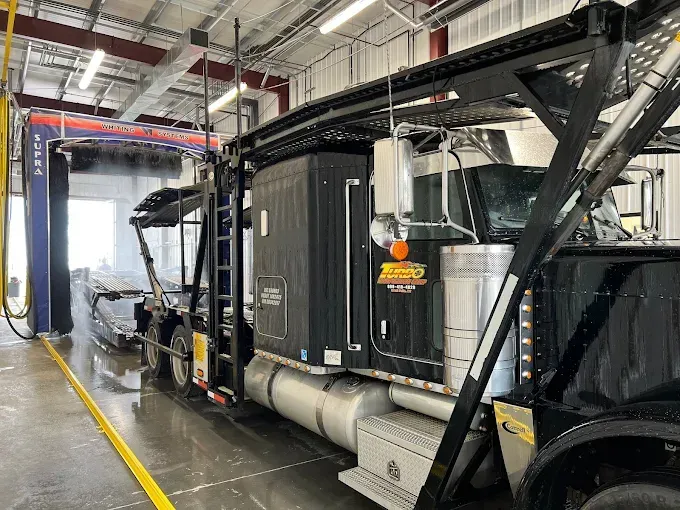
Caked harvest mud and feedlot buildup on large equipment require pressure far beyond standard auto-wash capability, and Highway 87 corridor ag operators need equipment that can handle real Montana-scale grime. Big Iron Truck & RV Wash provides industrial-grade pressure washing for large vehicles, trailers, and heavy equipment in Great Falls with two wash bays equipped to handle large-format rigs. This is the high-pressure option for operators who've outgrown every other wash in the area, where the equipment and process are matched to the actual scale of what comes through rather than undersized consumer-grade setups that can't touch serious buildup.
The pressure washing process uses industrial-grade equipment calibrated to break down packed mud, manure, and road residue without damaging painted surfaces or mechanical components. Water pressure and nozzle selection are adjusted based on what's being cleaned—heavy steel frames can handle higher pressure than aluminum panels or hydraulic lines, and the crew understands those differences before starting the wash. The two-bay configuration means there's space to work methodically on oversized equipment rather than rushing through a cramped single lane.
Schedule a high-pressure wash for equipment that standard facilities can't accommodate or clean effectively.
What Proper High-Pressure Washing Requires
High-pressure washing isn't just about turning the dial to maximum—it's about matching pressure levels, nozzle angles, and cleaning solutions to the type of contamination and the surfaces being cleaned. Caked mud requires a different approach than biological residue, and steel frames tolerate different pressure than painted body panels or exposed wiring. The equipment here is sized for the scale of Montana ag and transport rigs, which means it can generate the pressure needed to remove hardened buildup without requiring multiple passes or extended soak times.
After a high-pressure wash, the equipment's frame, undercarriage, and working surfaces are cleared of the layers of mud and residue that accumulated during field work or long hauls. Wheel wells no longer hold packed material that adds weight and traps moisture, and hydraulic components are visible again for inspection rather than buried under dried buildup. The equipment looks and functions the way it should, and you can actually assess its condition because the working parts are no longer obscured by months of grime.
Big Iron was founded by a 25-year trucking veteran who built this facility from scratch because he knew what real equipment cleaning required, and that knowledge is reflected in the equipment selection and crew training. The facility operates with a quality-focused culture where doing the job right matters more than rushing equipment through the bay, and courtesy vacuums are available on-site for cab and interior cleanup. This is a destination where ag and transport operators can handle multiple service needs during one stop.
Questions Before Starting Your Wash
Operators running large equipment and heavy vehicles in Great Falls often ask about pressure capabilities and what the facility can handle before scheduling their first wash.
What type of equipment can you handle with high-pressure washing?
Big Iron's two wash bays are equipped for full-size semis, tandem trailers, ag equipment, and large-format rigs—the industrial-grade pressure equipment and bay dimensions were selected specifically to accommodate Montana-scale vehicles that don't fit in standard facilities.
How does high-pressure washing remove caked harvest mud and feedlot buildup?
Industrial-grade pressure breaks down hardened mud and biological residue by delivering focused water force that penetrates packed layers, and the process includes pre-soak steps when needed to loosen material before the main wash begins.
Can high-pressure washing damage painted surfaces or mechanical components?
Pressure levels and nozzle selection are adjusted based on what's being cleaned—heavy steel frames receive higher pressure than painted panels, and sensitive areas like hydraulic lines and electrical connections are treated with lower pressure or shielded during the wash to prevent damage.
When should I bring equipment in for high-pressure washing?
Washing after harvest season or feedlot hauls removes the biological and chemical residue that accelerates corrosion and equipment wear, and regular washing during active use prevents buildup from hardening to the point where it requires extended soak times or multiple passes to remove.
Are there other services available during the wash?
Courtesy vacuums are located on the property for cab interior cleanup, and the facility is set up as a destination where you can handle equipment maintenance tasks during one visit rather than making separate trips across Helena.
Big Iron Truck & RV Wash operates as a locally owned, family-run business where the standard is quality and the equipment is built to handle what actually comes through. Bring your rig or equipment through Great Falls and see what industrial-grade pressure washing looks like when it's done right.